
Sex and Grief: Navigating Intimacy After Loss
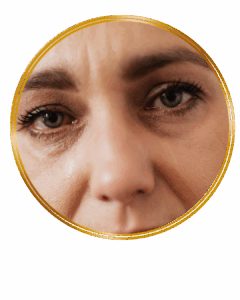 When we talk about grief, we often focus on tears, anger, and the hollow ache of absence. What we rarely discuss is what happens to our bodies, our desires, and our intimate lives when we’re grieving. The intersection of sex and grief remains one of the most taboo topics in our culture, yet it’s something countless people navigate in silence.
The Paradox of Desire in Mourning
Grief does strange things to our bodies. For some, loss extinguishes desire entirely—the thought of physical pleasure feels impossible or even wrong when you’re drowning in sorrow. For others, the experience is exactly the opposite. Sexual desire can surge in the aftermath of loss, sometimes intensely and unexpectedly.
Neither response is wrong. Both are normal.
When we lose someone we love, we lose our sense of permanence. We become acutely aware of our mortality and the fragility of everything we hold dear. For many people, this awareness creates an almost primal need to feel alive, to connect, to affirm existence through the most fundamental human experiences—including sex.
The Guilt That Follows
Perhaps the hardest part isn’t the presence or absence of desire itself, but the guilt that accompanies it. If you want sex while grieving, you might feel like you’re not mourning “properly” or that you’re somehow dishonoring the person you lost. If you don’t want sex, you might feel guilty about withdrawing from your partner or worry that you’ll never feel desire again.
The truth is that grief has no timeline and no rulebook. There’s no “correct” way to grieve, and that includes what happens in your intimate life.
When Grief and Partnership Collide
If you’re in a relationship while grieving, the challenges multiply. Partners often grieve differently and at different paces. One person might seek comfort through physical intimacy while the other can’t imagine being touched. These differences can feel like rejection, creating distance at a time when connection matters most.
Communication becomes essential but also extraordinarily difficult. How do you tell your partner you need them physically when you can barely function emotionally? How do you explain that you need space from intimacy without making them feel unwanted?
There’s no perfect answer, but honesty, even when it’s messy and incomplete, helps. “I don’t know what I need, but I know I need patience” is a valid thing to say. So is “I need to feel close to you right now, even though nothing else makes sense.”
Sex as a Form of Grief
 Sometimes sex becomes a way of processing grief itself. It can be a way to:
- Feel something other than pain
- Reconnect with your body when your mind feels unbearable
- Affirm life in the face of death
- Seek comfort and human connection
- Remember what joy and pleasure feel like
- Release emotions that have no other outlet
This doesn’t mean you’re avoiding grief or being disrespectful to your loss. It means you’re human, and humans are complex creatures who need multiple ways to process overwhelming emotions.
When Sex Becomes Avoidance
That said, it’s worth being honest with yourself about what role sex is playing in your grief. If physical intimacy is your only coping mechanism, if you’re using it to avoid feeling pain rather than to occasionally find respite from it, it might be worth seeking support.
The difference between healthy coping and avoidance isn’t always clear, especially when you’re in the thick of grief. But generally, if you find yourself engaging in sexual behavior that feels compulsive, empty, or that you regret afterward, it may be serving as a temporary escape rather than genuine connection or healing.
Grief Changes Over Time—And So Does Desire
In the immediate aftermath of loss, your relationship with sex might be one thing. Six months later, it might be entirely different. A year after that, different again. This is normal.
Some people find that their desire returns gradually. Others experience waves where intimacy feels possible for a while, then impossible again. Some find that their entire relationship with sex and their body has fundamentally changed.
Allow yourself to change without judgment. What felt right last month doesn’t have to feel right now, and what feels impossible today might feel different tomorrow.
Moving Forward Without Moving On
 If you’ve lost a partner, the thought of being sexual with someone new can feel like betrayal. How can you desire someone else when the person you loved is gone? How can you let someone new touch you in ways that once belonged to someone irreplaceable?
These feelings are valid, but they’re also not permanent truths. Loving someone new doesn’t erase the person you lost. Finding pleasure again doesn’t mean you’ve forgotten or stopped grieving. You’re not replacing anyone—you’re allowing yourself to continue living, which is what grief ultimately asks of us.
What You Need to Know
If you’re navigating sex and grief, here’s what matters most:
Your experience is valid. Whether you want sex constantly or never think about it, whether you feel guilty or free, whether you’re confused or certain—your experience is real and legitimate.
There’s no timeline. Ignore anyone who tells you when you “should” be ready for intimacy again or when your desire “should” return. Your grief and your body are yours alone.
Communication helps. If you’re in a relationship, talk to your partner, even when it’s uncomfortable. If you’re seeing a therapist, don’t shy away from discussing your sexual life. These conversations matter.
Contradictions are normal. You can miss someone desperately and still want sex. You can love your partner and not want to be touched. You can feel joy and sorrow simultaneously. Humans contain multitudes, especially in grief.
Seek support if you need it. If your relationship with sex becomes distressing or if you’re struggling to navigate intimacy while grieving, consider speaking with a therapist who specializes in grief or sex therapy.
A Final Thought
Grief strips us down to our most vulnerable selves. It asks us to feel everything—the pain, yes, but also the full spectrum of being human. That includes desire, pleasure, and connection.
You don’t have to figure this out perfectly. You just have to move through it with as much compassion for yourself as possible. And remember: healing doesn’t mean forgetting. It means learning to carry loss while still allowing yourself to feel alive.
Whatever your experience is, you’re not alone in it. And you’re not doing it wrong.