
What They Never Taught You About Orgasms (And Why That Isn’t Your Fault)
Most of us grew up learning almost nothing about pleasure. We learned how to avoid pregnancy. We learned how to avoid STIs. We learned, without anyone saying it out loud, to feel a little ashamed of our own bodies. What we didn’t learn was how to actually enjoy them.
So if you feel confused, frustrated, or insecure about orgasm, you’re not alone, and you’re not the problem. You were simply never taught how your body works. Here’s what that education left out.
Orgasm Is a Nervous System Response, Not a Performance
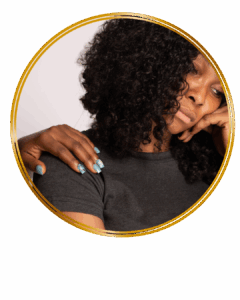 You can’t will yourself into an orgasm. You can’t force your body to peak on command, and you can’t orgasm when you’re stressed, tense, distracted, or disconnected from what’s happening.
That’s because arousal and orgasm live in your parasympathetic nervous system: the part of you responsible for rest, safety, and pleasure. When you’re anxious, rushed, or self-conscious, your body isn’t being difficult. It’s doing exactly what nervous systems are built to do, which is protect you first and relax second. Understanding orgasm as a nervous system response, not a personal failing, changes the whole conversation.
Your Mind Shapes Arousal More Than Touch Does
Sex education tends to treat pleasure as a purely physical event, but your biggest sex organ is your brain. Your imagination, memories, fantasies, and emotional state shape orgasm more powerfully than any technique.
This is why two people can touch you the exact same way, and one lights you up while the other leaves you flat. Turn-on starts on the inside. Your body is simply the part that follows.
Orgasm Takes More Time Than Most People Expect
 Most vulva owners need something like twenty to forty minutes of arousal before their body is ready for orgasm in partnered sex, though this often looks different when masturbating solo. Most penis owners need their own kind of warm-up too, an emotional and psychological one, before they feel safe enough to let go.
Orgasm requires buildup. When you rush desire, you short-circuit pleasure before it has a chance to build.
There’s No “Normal” Way to Orgasm
You were probably taught there were two kinds of orgasm: vaginal and clitoral. Here’s what we now understand instead: every orgasm involving the body is a clitoral orgasm, and it happens in the brain, including the ones that feel vaginal. The clitoris is an internal network of erectile tissue, and it’s involved every single time.

Plenty of other orgasm types are equally valid, including G-spot orgasms (which come from the back of the clitoris), cervical orgasms, anal orgasms, blended orgasms, breath or energy orgasms, and multiple orgasms. If you or a partner don’t orgasm from penetration alone, nothing is wrong with you. Most vulva owners don’t, and that’s entirely normal.
Pressure Is One of the Biggest Blockers to Pleasure
“I should be coming by now.” “My partner needs me to orgasm.” These thoughts are two of the fastest ways to shut pleasure down.
When orgasm becomes a goal, a performance, or proof of good sex, the body responds by locking down rather than opening up. Pleasure grows in openness, not pressure. When you stop trying so hard, your body finally has room to respond.
Orgasm Shifts With Stress, Sleep, Hormones, and Life
Your orgasm isn’t a fixed trait. It’s a living rhythm that moves with stress levels, hormone cycles, trauma and healing, relationship dynamics, emotional closeness, medication, self-esteem, and the overall health of your nervous system.
If your orgasm has changed or disappeared for a while, you’re not broken. Your body is communicating something, and it needs attention rather than judgment.
Personalized Pleasure Beats Default Sex
 Most people are having what could be called default sex: routines they’ve fallen into rather than experiences they’ve actually chosen. Orgasm tends to thrive on personalized pleasure instead of habit.
You’re allowed to ask for what actually works for you, whether that’s slower, deeper, softer, more teasing, more connection, more fantasy, a different position, a break, a toy, a new kind of touch, or no orgasm at all. Your desire matters. Your pleasure matters. Your orgasm belongs to you.
Better Orgasms Come From Knowing Your Body, Not Trying Harder
If orgasm is difficult for you, the answer is almost never to try harder, force your body, perform for a partner, or pretend. The answer usually looks more like learning your own arousal map, slowing down, removing pressure, creating safety, exploring your erotic template, practicing receiving, building anticipation, and connecting with pleasure outside the bedroom too.
Orgasm is teachable. Bodies are adaptable. Pleasure can be learned at any age.