Psychotherapy for individuals and couples, based in New York City, New York State, and Australia wide
Psychotherapy gives you a steady place to understand why you feel, react, and relate the way you do, and to change what no longer works for you. I have been doing this work for nearly thirty years with individuals and couples, and I bring that experience to every session.
Psychotherapy in New York City, New York State, and Australia online

I'm a psychotherapist, sex therapist and couples therapist based in New York City, with qualifications from both the United States and Australia. Our psychotherapy sessions focus on the experiences that shape how you think, feel, and connect with other people: the family you grew up in, the relationships you have now, and the way you treat yourself in between. We work at a pace that suits you, and you decide what we look at and when.
Attachment issues and relationship patterns
Attachment describes the way your earliest relationships taught you to seek comfort, closeness, and safety. Those early lessons stay with you. In adult life they show up in romantic relationships, friendships, family, and work, often as a pattern that repeats even when you wish it wouldn't.
Some people find themselves anxious in relationships, scanning for signs of distance, needing reassurance, or fearing they will be left. Others pull back when things get close, preferring to handle everything alone and feeling crowded by needs, their own or someone else's. Many people move between the two depending on who they are with. Each of these patterns began as a sensible way to protect yourself, which is why they can be hard to change by willpower alone.
In therapy, we map your attachment patterns, follow them back to where they started, and build new experiences of trust and closeness, beginning with the relationship we form together.
Family of origin work: what it is and why it matters

Your family of origin is the family and household you grew up in. It includes the adults who raised you, your siblings, and the unspoken rules about how people in that home handled feelings, conflict, money, affection, illness, and change. It is where you first learned what closeness looks like, what is safe to say out loud, and what it costs to ask for something.
Family of origin work looks closely at that early environment and traces how it shaped the beliefs, reactions, and roles you carry now. You may have been the responsible one, the peacemaker, the quiet one, or the one who absorbed everyone's moods. Roles like these can keep running long after you've left the family home, in your relationships, your work, and the way you speak to yourself.
This work matters because patterns that look like personality often started as ways of coping. Once you can see where a reaction came from, you gain a choice about whether to keep it. The aim is understanding. Families generally did what they knew how to do with what they had, and you can hold that truth while also naming what it cost you. Over time, many people find this brings more compassion toward themselves and more freedom in how they relate to the people they grew up with.
Developing self-awareness
Self-awareness is the ability to notice what you feel, what sets it off, and what you do next. It sounds simple, and it takes practice, because most of us learned early to look away from certain feelings and to explain others with a story that feels true. In therapy you get regular, unhurried time to slow that process down.
We pay attention to your thoughts, your emotions, and the signals your body gives you, since your body often registers a situation before your mind has found words for it. As that attention builds, you start to catch a reaction while it is happening, which gives you room to respond in a way that reflects what you want.
Common reasons people start psychotherapy
People come to psychotherapy for many reasons, and you don't need a crisis to begin. Some of the most common are:
- Repeating patterns in romantic relationships, friendships, or family

- Anxiety, worry, and a nervous system that rarely settles
- Low mood, flatness, or a sense of being stuck
- Low self-esteem and harsh self-criticism
- Difficulty setting boundaries or saying no
- Grief, loss, and major life transitions
- Conflict, distance, or old hurts with family
- Stress, burnout, and feeling stretched too thin
- Questions about identity, purpose, and the direction of your life
- A wish to understand yourself better
How I approach psychotherapy
My work draws on narrative therapy, Jungian understanding of unconscious motives, attachment theory, somatics, neuroscience, Buddhist philosophy, pagan philosophy, social justice, and queer theory. I use an ecclectic approach to our therapy, meaning I have a wide variety of tools and techniques I apply in sessions tailored to what's going to best help you. In practice, that means I pay attention to your history, your body, and the wider world and context you live in. Culture, family structure, gender, sexuality, money, and community all affect what you carry and how you are treated, so they belong in the room. You are welcome here whatever your identity or relationship structure, and you will never be treated as a problem to fix.
What to expect in your sessions
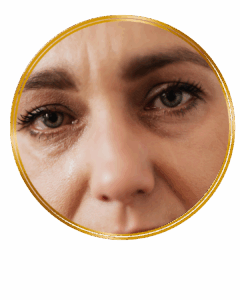
Sessions are conversations, education and so much more. You set the pace. We start with what brought you in and what you would like to change, then follow the thread back to where it began. Some sessions will focus on a current situation, and others on memories and patterns from earlier in your life. When it helps, I introduce body-based practices at moments you can use them.
Online psychotherapy, wherever you live
Many of my clients live outside New York, and online sessions make it possible to work together from anywhere. All you need is a private space and a reliable connection.