
Sex Therapy for Low Desire and Mismatched Libido NYC
Low Desire & Mismatched Libido Therapy NYC
Understand Your Desire. Reconnect With Pleasure. Rediscover Intimacy.
Sexual desire changes. Sometimes gradually, sometimes seemingly overnight. You might find yourself wanting sex less often, struggling to feel turned on, avoiding intimacy or wondering why something that once felt pleasurable now feels like an obligation. Perhaps you love your partner but rarely feel interested in sex. Perhaps your partner wants sex more frequently than you do, and the difference has become a source of tension, rejection, resentment or loneliness. Maybe you're the person initiating repeatedly, feeling unwanted and wondering whether your partner is still attracted to you. For some people, desire diminishes after years of having a satisfying sex life. For others, sexual interest has always been inconsistent, difficult to access or dependent on particular circumstances. Hormonal changes, stress, relationship dynamics, trauma, attachment patterns, medication, body image and the expectations we carry about sex can all influence our experience of desire. Low sexual desire and mismatched libido are among the most misunderstood experiences in sexuality and intimate relationships. I'm Cyndi Darnell, NYC sex therapist, clinical sexologist and relationship specialist. I work with individuals and couples to understand the psychological, relational, physiological and cultural influences that shape sexual desire. My approach combines psychotherapy, somatic sexology, attachment work, erotic education and practical relationship skills. Rather than treating desire as something that needs to be fixed, I help people understand how it works, what influences it and how to cultivate a more satisfying, authentic relationship with their sexuality. Whether you're experiencing low libido, mismatched desire, loss of sexual interest, difficulty becoming aroused or a growing sense of disconnection from your erotic self, there are ways to understand what's happening and explore new possibilities. You don't have to resign yourself to a sex life that doesn't satisfy you. And you don't have to force yourself to want something you don't want.
What Is Low Sexual Desire?
Low sexual desire, sometimes called low libido, describes a reduction or absence of interest in sexual activity. It can involve fewer sexual thoughts or fantasies, less interest in initiating sex, difficulty becoming interested in sexual activity or a general sense that sex has slipped down the list of things that feel appealing. But low desire isn't necessarily a problem. Some people naturally have little interest in sex. Others experience fluctuations throughout their lives. Some enjoy sex once it begins but rarely think about initiating it. Others experience sexual desire in particular circumstances but not in the context of their existing relationship. The important question isn't simply how frequently you want sex. It's whether your experience feels satisfying, whether a change concerns you, and whether it is creating difficulties in your life or relationships. There is no universally correct libido, frequency of sex or level of sexual interest. Sexuality is individual, contextual and constantly influenced by our changing bodies, relationships and experiences.Common Experiences of Low Desire
You might recognize some of these experiences:- You love your partner but rarely feel sexually interested.
- You enjoy physical affection but don't want it to lead to sex.
- You feel disconnected from your body or sexuality.
- You struggle to become aroused, even when you want to enjoy sex.
- You rarely initiate sex and feel uncomfortable when your partner does.
- You find yourself making excuses to avoid sexual encounters.
- Sex feels like another responsibility rather than something pleasurable.
- You experience desire during fantasy or masturbation but not partnered sex.
- You feel sexually interested when you're away from your partner but not when you're together.
- You used to enjoy sex but have noticed a significant change.
- You experience sexual desire only when particular emotional, physical or relational conditions are present.
- You want to want sex, but the motivation simply isn't there.
Author of - Sex When You Don't Feel Like It: The Truth About Mismatched Libido and Rediscovering Desire
I'm the author of Sex When You Don't Feel Like It: The Truth About Mismatched Libido and Rediscovering Desire, a book informed by my clinical work with individuals and couples navigating differences in sexual desire. Mismatched libido is one of the most common sources of distress in intimate relationships, yet it's frequently misunderstood. Couples can spend years caught in cycles of rejection, pressure, resentment and avoidance without understanding what's actually happening to their sexual connection. In my book, I explore the complexities of desire, why sexual interest changes, how people develop different relationships with sex, and what happens when partners want different things. I challenge conventional assumptions about libido and offer a more nuanced understanding of sexual desire, intimacy and pleasure. One of the central ideas is that sexual desire isn't simply a measure of attraction, love or relationship compatibility. People experience desire differently, and those differences deserve to be understood rather than judged. My clinical approach builds on these ideas, bringing together psychotherapy, somatic sexology, erotic embodiment and practical relationship education to help people move beyond frustration and discover more satisfying ways of experiencing sexuality and intimacy. Explore my book: Sex When You Don't Feel Like It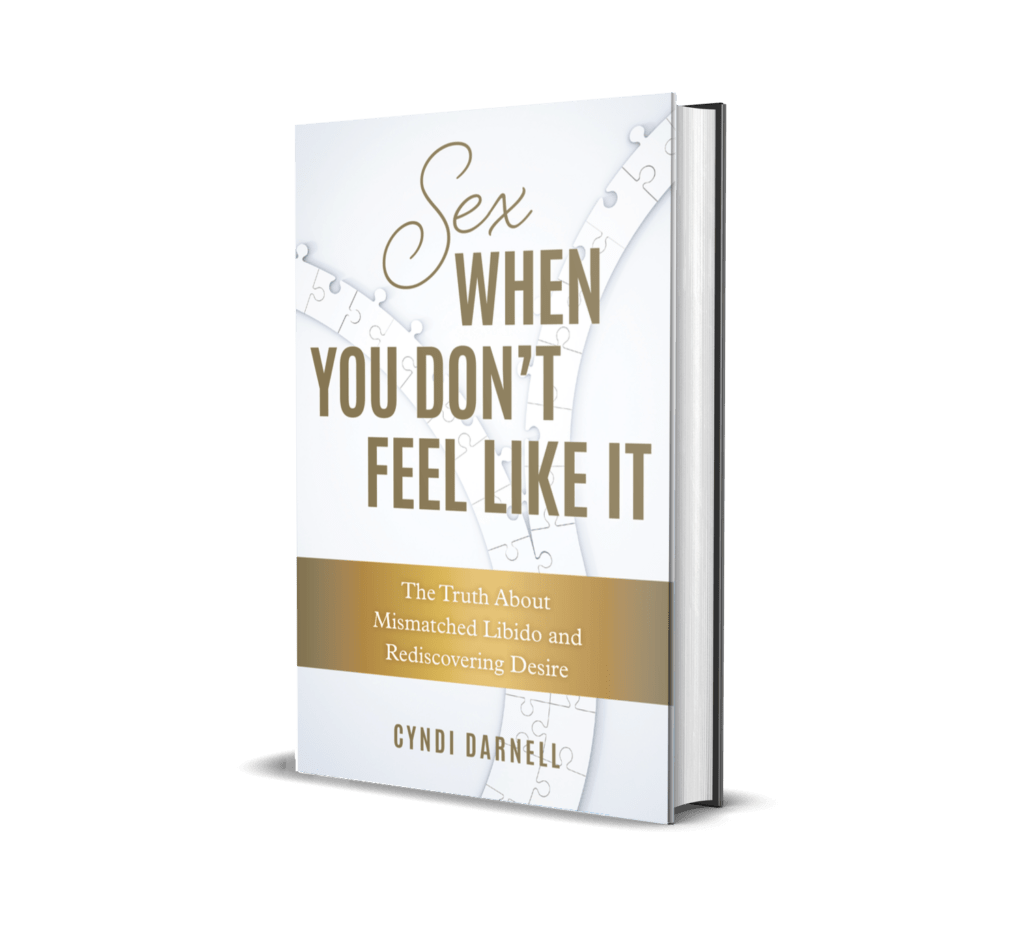
What Is Desire Mismatch?
Desire mismatch happens when partners want sex at different times, in different ways, or at different frequencies. This is extremely common — and surprisingly fixable. The issue is rarely “who wants sex more.” The real issue is:
-
How partners respond to the difference
-
How pressure or rejection accumulates
-
How meaning gets assigned
-
How the nervous system interprets intimacy
Desire mismatch doesn’t have to be a cycle of shame, withdrawal, resentment, or duty sex.
It can be a doorway into deeper intimacy and a more honest erotic connection.

Why Does Sexual Desire Change?
Desire isn't controlled by a single switch in the brain or body. It emerges through an interaction of physiological, psychological, emotional, relational and environmental influences. Sometimes the reasons are obvious. Sometimes several factors overlap. And occasionally, the things people believe are causing their low desire aren't the things actually influencing it. Understanding desire means looking at the whole picture.1. Stress, Overwhelm and the Nervous System
Stress can have a significant impact on sexual interest. When much of your attention is occupied by work, finances, care-giving, responsibilities, uncertainty or emotional overwhelm, there may be very little room left for pleasure, curiosity or erotic exploration. Our nervous systems are constantly responding to our surroundings. When we're overwhelmed, anxious, exhausted or preoccupied, the body may prioritize other demands over sexual interest. This doesn't mean that everyone needs to be completely relaxed to experience desire. Excitement, novelty, anticipation and even a degree of uncertainty can be sexually stimulating. The question is whether your nervous system has the flexibility to move between different states of activation, rest, engagement and pleasure. Somatic work can help you recognize bodily responses, understand patterns of tension and disconnection, and develop greater capacity for sensation, pleasure and intimacy.2. Relationship Dynamics and Emotional Disconnection
Sexual desire doesn't exist independently of our relationships. Unresolved conflict, resentment, unequal emotional labor, feeling criticized, feeling taken for granted or experiencing a lack of emotional connection can influence how we experience sexual intimacy. Sometimes the person with lower desire is carrying feelings they haven't been able to express. Sometimes the person with higher desire feels chronically rejected and becomes increasingly anxious, frustrated or demanding. Over time, both partners can become caught in a cycle:- One partner initiates sex and experiences rejection.
- The other experiences the initiation as pressure or an expectation.
- The first partner feels unwanted and withdraws or becomes resentful.
- The second partner feels increasingly reluctant to engage.
- Physical affection becomes loaded with expectation.
- Both partners begin avoiding conversations about sex.
3. Attachment, Intimacy and Emotional Safety
Our early experiences of relationships can influence how we approach closeness, vulnerability, dependency and intimacy as adults. Attachment patterns can shape how we respond to sexual initiation, rejection, affection, conflict and emotional availability. For some people, sex becomes a way of seeking reassurance, validation or connection. For others, sexual expectations can activate fears of losing autonomy, being controlled, disappointing someone or becoming emotionally exposed. An anxious attachment pattern might contribute to pursuing sex as evidence of being loved or desired. Avoidant patterns may make emotional or physical closeness feel overwhelming under certain circumstances. Neither pattern determines someone's sexuality or libido. But understanding these relational habits can reveal why intimacy sometimes becomes complicated. We explore the emotional meanings attached to sex, the expectations people bring into relationships and the ways those expectations influence desire.4. Hormones, Menopause, Aging and Physical Health
Sexual desire is also influenced by the body. Hormonal changes associated with perimenopause, menopause, pregnancy, postpartum experiences and other life transitions can affect sexual interest, arousal, lubrication, genital sensation and comfort. Other factors may include:- Changes in testosterone, estrogen and other hormones.
- Chronic illness and pain.
- Sleep disturbances and fatigue.
- Depression and anxiety.
- Medication side effects, including some antidepressants.
- Changes in physical health and mobility.
- Pelvic floor difficulties or pain during sex.
- Changes in body image and physical confidence.
5. Trauma, Shame and Disconnection From the Body
Our experiences shape how we relate to our bodies and sexuality. Sexual trauma, difficult relationship experiences, coercion, body shame, religious or cultural messaging, and years of feeling uncomfortable with our sexuality can all influence the ability to experience pleasure. Sometimes people learn to disconnect from bodily sensations as a way of managing difficult experiences. Others become highly attuned to the expectations of others while losing touch with their own preferences and boundaries. This can make it difficult to identify what feels good, what feels uncomfortable and what genuinely creates sexual interest. Somatic sexology can help people develop a more curious and compassionate relationship with their bodies, recognizing sensations, boundaries, preferences and sources of pleasure at their own pace. The goal isn't to push through discomfort. It's to develop greater agency and freedom in how you experience your body.6. Sexual Scripts, Expectations and Cultural Conditioning
We inherit ideas about what sex is supposed to look like, how often couples should have it, who should initiate it, what makes someone sexually desirable and what constitutes a successful sex life. These expectations can become surprisingly restrictive. Many people have learned to prioritize being attractive, available or sexually accommodating over understanding their own erotic interests. Others have come to associate sex with performance, penetration, orgasm or satisfying a partner rather than exploration, pleasure and connection. When sex becomes a performance or an obligation, desire can become increasingly difficult to access. Part of our work involves examining the stories people have inherited about sex and relationships, questioning which ones still serve them and developing a more authentic understanding of their sexuality.Why Traditional Advice Does Not Work
Most advice about low desire focuses on:
-
“Spicing things up”
-
“Trying harder”
-
“Communicating more”
-
“Scheduling sex”
-
“Fixing hormones”
-
“Just relax”
None of these address the deeper emotional and relational patterns that actually shape desire.
In my work, we explore:
-
What sex and desire truly mean for you
-
How pressure and expectation affect turn-on
-
Why “responsive desire” is more common than spontaneous desire
-
How relational dynamics shape erotic availability
-
What your inner Self is trying to tell you about your erotic template
Desire is not problem to be solved - it's a quest to be seized.
The Pursuer and Withdrawer Cycle
One of the most common patterns I encounter involves one partner pursuing sexual connection while the other increasingly withdraws. The higher-desire partner may experience repeated rejection as evidence that they are unattractive, undesirable or no longer loved. They might initiate more frequently, seek reassurance, become frustrated or interpret a lack of sexual interest as a lack of commitment. Meanwhile, the lower-desire partner may feel pressured, scrutinized or responsible for maintaining the relationship through sexual availability. Even affectionate gestures can become complicated when one person worries that a hug, kiss or cuddle will be interpreted as an invitation to have sex. Eventually, both partners can feel lonely and misunderstood. The person wanting more sex feels unwanted. The person wanting less sex feels that their boundaries and preferences aren't being respected. Neither person's experience should be dismissed.When Sex Becomes an Obligation
One of the most important things we explore in mismatched-desire work is the difference between choosing sexual intimacy and feeling obligated to provide it. Some people agree to sex because they fear disappointing their partner, creating conflict or jeopardizing the relationship. Others initiate sex because they feel anxious about the absence of physical connection and need reassurance that they are still wanted. Neither dynamic necessarily creates the conditions for satisfying erotic intimacy. Sexual connection is most meaningful when people have room to express genuine interest, curiosity, boundaries and preferences. That means learning to communicate about sex without coercion, guilt, punishment or pressure.When Affection Stops Feeling Safe
A particularly painful consequence of desire discrepancy is the loss of nonsexual affection. When every kiss, cuddle or moment of physical closeness seems to carry an expectation of sex, the lower-desire partner may begin avoiding affection altogether. The higher-desire partner may then experience even less physical connection and feel increasingly deprived. Rebuilding intimacy often involves creating space for touch and affection that don't have to lead anywhere. This helps people rediscover physical connection on its own terms. It also allows sexual interest to emerge without every interaction carrying the weight of an expectation.Understanding Responsive Desire: Why You Might Not Feel Like Having Sex Until You Start
One of the most important concepts in contemporary sex education is responsive desire. Many people believe sexual desire should happen spontaneously: you suddenly feel interested in sex, become aroused and want to initiate an encounter. But this is only one way desire works. For many people, sexual interest emerges in response to something: affectionate touch, erotic conversation, fantasy, anticipation, physical sensation, an inviting environment or the beginning of a mutually pleasurable encounter. You might not think about sex during the day, but find yourself becoming interested when intimacy begins. This is called responsive desire. Spontaneous and responsive desire are both valid experiences. People can experience either, both or different patterns at different times in their lives. Understanding responsive desire can be particularly helpful for couples who assume that the person who initiates sex must be the person who wants it more. However, responsive desire is not a reason to pressure someone into starting sexual activity. There is an important difference between being open to exploring whether interest develops and agreeing to sex that you don't want. The ability to say no, pause or change your mind must always remain intact. Learning how your desire actually works can help you make choices that are more informed, pleasurable and authentic.How Do You Get Your Desire Back?
There isn't one universal solution to low desire. For some people, the starting point is addressing medical or hormonal factors. For others, it involves changing relationship dynamics, reducing pressure, working through unresolved emotional experiences or developing a more expansive understanding of sexuality. Sometimes people need to reconnect with their bodies. Sometimes they need to reclaim time, autonomy and space for pleasure. Sometimes they need to examine whether their existing sexual relationship is actually meeting their needs. Our work begins with curiosity rather than assumptions. Together, we explore:- What has changed in your experience of sex and desire.
- When you feel interested in sex and when you don't.
- What circumstances support or inhibit your sexual interest.
- How you experience arousal, sensation and pleasure.
- Whether sex has become associated with pressure, performance or obligation.
- How your relationship dynamics influence erotic connection.
- What kinds of intimacy you genuinely enjoy.
- What you might want to explore, change or rediscover.
How Somatic Sex Therapy Can Help With Low Desire
Sexuality is an embodied experience. It involves more than thoughts, beliefs or communication. Our bodies are where we experience sensation, arousal, pleasure, discomfort, tension, excitement and connection. Somatic sexology and somatic sex therapy brings attention to these experiences and helps people develop greater awareness of their physical and emotional responses. In our work, we might explore:- Recognizing the difference between physical arousal, sexual interest and emotional readiness.
- Becoming more aware of bodily sensations and responses.
- Understanding patterns of tension, avoidance, numbness or disconnection.
- Identifying what kinds of touch and stimulation feel pleasurable.
- Developing greater comfort with receiving pleasure.
- Exploring boundaries, agency and bodily autonomy.
- Reconnecting with erotic imagination and fantasy.
- Developing a more positive relationship with your body.
- Learning to recognize and communicate what feels good.
Erotic Embodiment: Reconnecting With Your Capacity for Pleasure
Erotic embodiment is particularly important for people who have spent years experiencing their sexuality through the expectations of others. You may have learned to focus on whether someone finds you attractive, whether you're performing well or whether you're satisfying a partner. You might have become so accustomed to monitoring your appearance, managing other people's expectations or anticipating their reactions that there's little opportunity to experience your own pleasure. Erotic embodiment offers another possibility: experiencing yourself as an active participant in your own pleasure.Rather than seeing your body primarily as something to present, manage or make desirable, you begin developing a relationship with your body as a source of sensation, curiosity, pleasure and personal agency. This can be especially meaningful for people navigating body image concerns, aging, menopause, disability, gender expectations, trauma or changes in sexual identity. Somatic work can help you become more attentive to what you feel, what you enjoy, what you want and where your boundaries lie. The aim is to develop greater freedom in your relationship with your body and sexuality, not to meet somebody else's expectations of what an erotic person should be.What We Work On in Low Desire and Mismatched Libido Therapy
My approach integrates several areas of clinical and educational practice.Somatic Sexology and Erotic Embodiment
Understanding how your body experiences intimacy, pleasure, arousal and connection. Developing greater awareness of sensation, boundaries, preferences and erotic possibility.Nervous System Awareness and Regulation
Recognizing how stress, overwhelm, emotional activation and protective responses influence your capacity for connection and pleasure. Developing greater flexibility in how you respond to these experiences.Attachment and Relationship Patterns
Exploring how early relationship experiences, attachment patterns and emotional expectations influence intimacy, sexual communication and the ability to navigate differences.Depth Psychology and the Erotic Imagination
Exploring the meanings, fantasies, conflicts, desires and internal narratives that shape your sexuality. Understanding the parts of yourself that may want different things, and making room for greater complexity.Responsive Desire and Sexual Education
Understanding how sexual interest and arousal develop, how different desire patterns operate and how to create opportunities for pleasurable intimacy without pressure.Relationship Skills and Communication
Developing practical skills for talking about sex, navigating rejection, expressing needs, setting boundaries, repairing ruptures and remaining connected through differences.Pleasure, Curiosity and Erotic Exploration
Expanding your understanding of pleasure beyond familiar sexual scripts. Exploring what makes you feel alive, curious, engaged and connected to your erotic self.Low Desire Therapy for Individuals
You don't need to be in a relationship to explore low sexual desire. Individual work can be valuable if you feel disconnected from your sexuality, have noticed a change in libido or want to understand why sex has become less appealing. Perhaps you've spent years accommodating other people's expectations and are only now beginning to consider what you actually enjoy. Perhaps you experience desire in fantasy but find partnered sex difficult. Perhaps you're navigating menopause, aging, changes in identity, relationship transitions or the aftermath of difficult sexual experiences. We can explore:- Changes in sexual interest throughout your life.
- Your relationship with your body and erotic identity.
- Shame, inhibition and internalized sexual expectations.
- Anxiety and self-consciousness around sex.
- Difficulty experiencing arousal or pleasure.
- Sexual confidence and communication.
- Responsive desire and different pathways to arousal.
- Fantasy, curiosity and erotic imagination.
- Reclaiming pleasure after trauma or difficult experiences.
- Developing a sexuality that reflects who you are now.
Couples Therapy for Mismatched Libido
When partners have different levels of sexual interest, both people deserve to be heard. My work with couples isn't about deciding who has the correct libido or persuading one person to have more sex. Instead, we examine the relationship patterns surrounding desire and develop ways to navigate differences without sacrificing connection, autonomy or sexual agency. Together, we explore:- Understanding each person's experience of desire.
- Identifying spontaneous and responsive desire patterns.
- Recognizing the pursuer-withdrawer cycle.
- Addressing feelings of rejection, resentment and inadequacy.
- Reducing sexual pressure and performance expectations.
- Rebuilding nonsexual affection and physical connection.
- Communicating about sex without defensiveness or blame.
- Exploring different definitions of satisfying intimacy.
- Understanding how emotional labor and relationship responsibilities influence desire.
- Developing mutually satisfying approaches to sexual connection.
- Rebuilding trust and confidence around physical intimacy.
Low Desire in Long-Term Relationships
One of the biggest misconceptions about sexuality is that desire should remain consistent throughout a relationship. In reality, sexual interest changes as people change. The excitement of a new relationship may give way to familiarity, shared responsibilities, established routines and different priorities. Life transitions, stress, health changes and emotional experiences all influence how people relate to sex. For some couples, familiarity creates greater comfort and intimacy. For others, it can become difficult to maintain erotic curiosity when the relationship becomes organized entirely around routine and predictability. Erotic connection sometimes requires a different kind of attention from the attention we give to everyday partnership. It can involve novelty, playfulness, anticipation, imagination, independence and opportunities to experience one another differently. Long-term relationships don't have to mean the end of erotic possibility. But maintaining sexual connection often requires intentionality, curiosity and a willingness to keep discovering one another.Who Can Benefit From Low Desire and Mismatched Libido Therapy?
I work with adults and couples experiencing a range of sexual and relationship concerns, including:- Low libido or reduced sexual interest.
- Mismatched sexual desire in relationships.
- Loss of desire in long-term relationships.
- Difficulty initiating or responding to sexual activity.
- Responsive desire and arousal difficulties.
- Feeling pressured to have sex.
- Sexual avoidance and anxiety.
- Difficulty experiencing pleasure or orgasm.
- Sexual disconnection following trauma or difficult experiences.
- Menopause, perimenopause and age-related changes in sexuality.
- Changes in sexual identity or erotic interests.
- Body image and sexual confidence.
- Relationship conflict surrounding sex.
- Different sexual preferences or expectations.
- Rebuilding intimacy after periods of disconnection.
- Wanting to develop a more fulfilling and authentic sex life.
Why Work With Cyndi Darnell?
I'm Cyndi Darnell, a New York City-based sex therapist, clinical sexologist and relationship specialist working with individuals and couples in NYC and online. My work is informed by extensive clinical experience, specialist training, published clinical papers and decades of engagement with the complexities of human sexuality and relationships. I'm also the author of Sex When You Don't Feel Like It: The Truth About Mismatched Libido and Rediscovering Desire, bringing together clinical understanding and practical insights into one of the most common challenges in intimate relationships. My approach brings together psychology, somatics, erotic education and practical relationship skills. I understand that sexual difficulties rarely exist in isolation. Desire is influenced by our bodies, our histories, our relationships, our identities and the wider cultural expectations we carry. I also recognize that people don't necessarily want more sex simply because someone tells them they should. They want to understand themselves, feel better in their bodies, experience genuine pleasure and have relationships in which their needs and boundaries matter. My work is sex-positive, inclusive, nonjudgmental and grounded in the belief that people can develop greater agency, confidence and curiosity in their erotic lives. I don't believe there is one correct way to experience desire or have a satisfying sex life. I believe in helping people discover what works for them.Frequently Asked Questions About Low Desire and Mismatched Libido
Is low sexual desire normal?
Yes. Sexual desire varies considerably between individuals and throughout life. Having a lower libido than a partner, or experiencing little spontaneous sexual interest, does not automatically indicate a problem. When a change is distressing or affects your relationships, exploring the contributing factors can be helpful.Can a relationship survive mismatched sexual desire?
Absolutely. Differences in sexual interest don't automatically mean a relationship is incompatible or destined to fail. What matters is how partners understand and navigate those differences. Developing communication, emotional resilience, sexual autonomy and mutually satisfying forms of intimacy can make a significant difference.Can you have a healthy relationship without having much sex?
Yes. There is no universal amount of sex required for a healthy relationship. What matters is whether the people involved feel satisfied, respected and connected. Couples benefit from discussing what intimacy means to each of them rather than measuring their relationship against an external standard.Why do I love my partner but not want sex with them?
Love and sexual desire are related for some people, but they aren't the same experience. You can love someone deeply while experiencing little sexual interest. Relationship patterns, resentment, stress, familiarity, pressure, physical changes and differences in erotic preferences can all contribute. Exploring what has changed can help clarify what's happening.Why do I want sex in my imagination but not in real life?
Fantasy and partnered sexual activity are different experiences. Fantasy offers control, privacy and freedom from many of the expectations that can accompany real-life intimacy. You might enjoy sexual thoughts or masturbation but feel less interested in partnered sex because of performance anxiety, relational dynamics, stimulation preferences or other factors.Can stress cause low libido?
Yes. Stress, exhaustion and emotional overwhelm can influence sexual interest, arousal and the capacity to experience pleasure. However, stress is only one possible contributor. It is worth considering physical health, medication, hormonal changes and relationship dynamics too.Does menopause cause low sexual desire?
Hormonal changes associated with perimenopause and menopause can influence sexual interest, arousal and genital comfort. Sleep disruption, vaginal dryness, pain, mood changes and other life transitions can also affect sexuality. Menopause doesn't automatically mean the end of a satisfying sex life. Support can help you understand and navigate these changes.What if my partner wants sex more often than I do?
This can be difficult for both people. The person wanting more sex may feel rejected, while the person wanting less may feel pressured or inadequate. Therapy can help you understand the cycle, communicate more effectively and find ways to experience intimacy that respect both people's boundaries and needs.Can sex therapy help if I have no interest in sex at all?
Yes. You don't need to arrive with sexual desire or a particular goal. Therapy can help you understand your relationship with sexuality, explore possible contributing factors and determine what you want from your erotic life. There is no expectation that you must become more sexually active.Is sex therapy available online?
Yes. I offer online sex therapy and relationship counseling for individuals and couples for people New York City and NY State. Outside New York, my work is still available in an online educational/consulting and coaching context. Online sessions in all formats can provide a convenient and accessible way to explore desire, intimacy and relationship concerns.How long does sex therapy take?
There is no fixed timeline. Some people benefit from a focused period of work addressing a particular concern, while others prefer longer-term exploration of sexuality, relationships and emotional patterns. The pace and focus depend on your circumstances, goals and needs.Rediscover Desire. Rebuild Intimacy. Develop a More Satisfying Relationship With Your Sexuality.
Low desire doesn't mean you're broken. Mismatched libido doesn't automatically mean your relationship is failing. And you don't have to spend years feeling guilty, rejected, pressured or disconnected from your sexuality. Understanding desire opens up possibilities. You can learn to recognize what influences your sexual interest, develop greater comfort with pleasure, communicate more openly and create intimate experiences that reflect who you are and what you genuinely want. Whether you're looking for individual sex therapy or couples counseling for mismatched desire, I'd be happy to help you explore what's happening.Ready to Explore This Work?
Low desire and desire mismatch do not mean the relationship is failing.
They mean something deeper wants attention.
If you're ready to explore:
-
A gentler relationship with intimacy
-
A more honest connection with your partner
-
A deeper understanding of your erotic self
-
A path back to desire that feels real, not performative
 I’m here.
- Start your Inquiry
- Explore my book and online classes
- Start rebuilding desire from the inside out