
Somatic Sex Therapist NYC | Clinical Sexologist & Relationship Specialist
Rekindle the Spark, Heal Trauma, Create Deeper Relationships & Rediscover Desire
Somatic Sex Therapy: New York City
I'm Cyndi Darnell, an internationally recognized somatic sex therapist and relationships specialist in NYC. My approach to somatic therapy and somatic sex therapy draws on more than 25 years of clinical, educational and professional experience, integrating specialist knowledge of sexual health, trauma, narrative therapy, relationship psychology and body-based therapeutic practices. With postgraduate qualifications in sexual health, social work and narrative therapy, advanced training in somatic and trauma-informed approaches, and peer-reviewed publications exploring somatic and narrative practices in sex therapy, I bring an interdisciplinary understanding of how our bodies, histories, emotions and relationships shape our experiences of intimacy and sexuality. My work goes beyond understanding problems intellectually to explore how they are experienced in the body, how learned protective responses influence our capacity for pleasure and connection, and how greater embodiment can expand our ability to experience desire, agency and intimacy. As a clinical sexologist, educator, author and relationship specialist, I combine psychological insight, somatic awareness and practical sexuality education to help people develop a more confident, connected and fulfilling relationship with themselves and others. Read more on my About page here
My Published Works on Somatic Sex Therapy
Tending to Painful Sex: Applying the Neuroscience of Trauma and Anxiety Using Mindfulness and Somatic Embodiment in Working with Genito-Pelvic Pain and Penetration Disorders
Sexual and Relationship Therapy, 38(3), 2023, pp. 398–410.
Examines the intersections of trauma, anxiety, mindfulness and somatic embodiment in clinical work with genito-pelvic pain and penetration disorders.
Read the published paper – DOI: 10.1080/14681994.2021.1881771
Sexuality, Sex Therapy & Somatics: In Bed with the Most Likely Bedfellows. So Why Aren't They?
Sexual and Relationship Therapy, 38(3), 2023, pp. 384–397.
Explores the historical separation between somatic approaches and mainstream sex therapy, making the case for greater integration of embodiment, pleasure-informed practice and clinical sexuality work.
Read the published paper – DOI: 10.1080/14681994.2021.1882672
Somatic Sex Therapy: Reconnecting With Your Body, Your Desires and Your Relationships
Your body is not simply something you live in. It is where you experience pleasure, connection, desire, emotion, memory and intimacy. Learning to feel more at home in your body can change how you experience yourself, your sexuality and your relationships.
Somatic therapy offers a way to explore the relationship between your body, mind, emotions and lived experiences. Rather than relying exclusively on talking about problems, somatic work brings attention to what is happening in your body: your sensations, impulses, emotional responses, patterns of tension, experiences of pleasure and the ways you respond to closeness, vulnerability and connection.
Our bodies carry the imprint of our experiences. Stress, shame, trauma, difficult relationships, cultural expectations and years of disconnecting from our own needs can influence how comfortable we feel in our bodies and how freely we express ourselves.
Sometimes we understand our difficulties intellectually but still find ourselves reacting in familiar ways. We may know that we want intimacy but feel uncomfortable when someone gets close. We may want sex but struggle to access desire. We may long to be touched but find ourselves becoming tense, distracted or emotionally distant. We might find it easier to care for someone else's pleasure than to recognize and communicate our own.
Somatic therapy helps bring these patterns into awareness and creates opportunities to develop new ways of experiencing yourself, your body and other people.
What Is Somatic Therapy?
Somatic therapy is a body-oriented approach to emotional and psychological wellbeing. It recognizes that our experiences are not held exclusively in our thoughts and memories. They also influence our nervous system, physical sensations, movement, breathing, posture, emotional responses and capacity for connection.
In our work together, we explore the relationship between what you think, what you feel and what happens in your body.
You might begin to notice where you hold tension, when you instinctively withdraw, how you respond to being seen or touched, or what happens when you experience pleasure, uncertainty or emotional vulnerability.
Developing greater body awareness can help you recognize your needs, identify your boundaries, tolerate difficult emotions, experience pleasure and respond to situations with greater choice.
Somatic work is not about forcing yourself to relax, perform or feel something you don't feel. It is about developing a more trusting relationship with your body and expanding your capacity to experience life with greater freedom, curiosity and agency.
Trauma, the Nervous System and Embodiment
Trauma can profoundly affect our relationship with our bodies.
Experiences of abuse, sexual trauma, neglect, bullying, medical trauma, relational betrayal, chronic stress or growing up in an environment where our feelings and boundaries were not respected can change how we experience safety, trust and intimacy.
For some people, the body becomes a place they learn to escape from. Others become highly vigilant, constantly monitoring their surroundings and other people's emotional responses. Some people experience numbness, dissociation or difficulty identifying what they feel. Others experience heightened sensitivity, tension, anxiety or an ongoing sense of being on guard.
These responses can continue long after the original circumstances have passed.
Trauma can affect our ability to:
-
Feel comfortable and present in our bodies.
-
Recognize and communicate physical and emotional boundaries.
-
Trust our instincts, preferences and desires.
-
Experience pleasure without anxiety, guilt or shame.
-
Feel safe with physical affection and sexual touch.
-
Stay emotionally present during intimacy.
-
Receive care, attention and affection without feeling uncomfortable.
-
Distinguish between genuine desire and the pressure to please someone else.
-
Regulate emotional responses during conflict or vulnerability.
-
Experience closeness without feeling overwhelmed or wanting to withdraw.
Sometimes these patterns develop in response to a single traumatic experience. Other times, they emerge through repeated experiences of being ignored, criticized, controlled, objectified or made to feel that our bodies and needs are not our own.
Somatic therapy can help you gently explore these learned responses, develop greater awareness of your nervous system and build new experiences of choice, agency and connection.
The aim is not to erase the past or make the body feel safe on command. It is to help you develop more flexibility in how you respond to the present.
Erotic Embodiment: Rediscovering Pleasure, Desire and Sexual Confidence
One of the most meaningful applications of somatic work is erotic embodiment. Erotic embodiment is the ability to experience yourself as an embodied, sensual and sexual person, with access to your own pleasure, curiosity, desires and erotic imagination. It involves developing a relationship with your sexuality that is rooted in your own experience rather than solely in what other people expect, want or find attractive.
Many people have learned to experience their sexuality from the outside in. They become preoccupied with how their bodies look, whether they are desirable, whether they are performing well or whether they are giving someone else a satisfying experience. Cultural expectations, gender roles, body image pressures, sexual shame and past experiences can all contribute to this disconnection.
You might find yourself thinking about how you look during sex instead of noticing how you feel. You might struggle to ask for what you want, feel embarrassed about your fantasies or find it difficult to receive pleasure without worrying about someone else's response.
Erotic embodiment invites a different experience.
It is about becoming more comfortable inhabiting your body, recognizing what feels pleasurable, developing confidence in your desires and allowing yourself to experience sexuality as something that belongs to you.
This can involve exploring:
-
Sensuality and pleasure beyond conventional ideas of sex.
-
Your capacity to receive pleasure without feeling obligated to reciprocate.
-
Erotic imagination, fantasy and curiosity.
-
Sexual confidence and comfort with your body.
-
The relationship between desire, emotional intimacy and physical sensation.
-
Releasing some of the shame associated with sexual interests, preferences and fantasies.
-
Understanding what helps you feel sexually engaged, present and receptive.
-
Developing a more expansive understanding of what eroticism means to you.
-
Experiencing your sexuality beyond age, appearance, gender expectations or relationship status.
Erotic embodiment is not about becoming more sexually available, attractive or adventurous for someone else. It is about developing the freedom to experience and express your own sexuality.
It also recognizes that eroticism does not have to look one particular way. It can be quiet, playful, sensual, exploratory, passionate, imaginative or deeply connected to emotional intimacy.
How Somatic Therapy Can Improve Your Relationships
Our capacity for intimacy is closely connected to how we experience ourselves in our bodies. Relationships ask us to navigate closeness, difference, vulnerability, uncertainty, conflict, affection and desire. These experiences can activate deeply established emotional and physical responses. When we feel disconnected from ourselves, it can be difficult to communicate what we need, recognize our limits or remain present when someone else's feelings differ from our own.
Somatic work can help you develop the awareness and emotional flexibility needed to participate in relationships more consciously.
Greater emotional intimacy
Becoming more aware of your internal experience can make it easier to recognize and communicate your feelings. You may become better able to stay present during difficult conversations, tolerate vulnerability and let another person know what is happening for you.
Improved communication and boundaries
Recognizing the physical signs of discomfort, resentment, anxiety or overwhelm can help you identify your needs earlier. This makes it easier to communicate boundaries, express preferences and negotiate differences without automatically withdrawing, appeasing or becoming defensive.
More satisfying sexual relationships
Developing body awareness can help you recognize what you enjoy, what you don't enjoy and what helps you feel connected and engaged. You may become more comfortable communicating about touch, pleasure, fantasies, desire and sexual preferences.
Understanding relationship patterns
Somatic awareness can help you recognize familiar responses to emotional closeness. Perhaps you become anxious when someone pulls away, shut down when conflict arises or feel compelled to please others to maintain connection. Recognizing these patterns creates opportunities to respond differently.
Greater capacity for receiving
Many people are comfortable giving affection, attention and care but struggle to receive it. Receiving pleasure, compliments, tenderness or support can bring up vulnerability, embarrassment or discomfort. Somatic work can help you explore these responses and develop greater comfort with reciprocity.
Navigating desire differences
Differences in sexual desire can bring up feelings of rejection, inadequacy, pressure and resentment. Developing awareness of your own responses can help you communicate about mismatched desire without turning sex into an obligation or a measure of someone's love.
Ultimately, greater embodiment can support relationships in which people feel more present, connected, understood and able to express themselves authentically.
Who Can Benefit From Somatic Therapy?
Somatic therapy can be helpful for individuals and couples who want to develop a healthier relationship with their bodies, emotions, sexuality and relationships.
You might benefit if you:
-
Feel disconnected, numb or uncomfortable in your body.
-
Experience anxiety, tension or overwhelm around intimacy.
-
Have difficulty identifying your feelings, needs or boundaries.
-
Struggle with sexual desire, arousal or orgasm.
-
Experience mismatched desire in your relationship.
-
Find it difficult to receive pleasure or let yourself be the focus of attention.
-
Feel self-conscious, inhibited or disconnected during sex.
-
Have experienced sexual trauma, relational trauma or other difficult life experiences.
-
Struggle with body image, sexual shame or embarrassment about your desires.
-
Have difficulty trusting others or allowing yourself to be vulnerable.
-
Notice recurring patterns of people-pleasing, avoidance or emotional withdrawal.
-
Want to develop greater sexual confidence and erotic expression.
-
Are navigating menopause, aging or changes in your sexuality.
-
Want to explore kink, fantasies, queerness or a broader understanding of your erotic identity.
-
Are navigating monogamous, polyamorous or other consensually non-monogamous relationships.
-
Want to experience more pleasure, connection and spontaneity in your life.
You do not need to have experienced trauma or be experiencing a crisis to benefit from somatic work. It can also be valuable for people who are curious about personal growth, embodiment, sexuality and developing a more fulfilling relationship with themselves.
What Issues Can Somatic Therapy Address?
Depending on your needs and goals, somatic work can complement therapy addressing:
-
Sexual trauma and difficulties with intimacy.
-
Low sexual desire and responsive desire.
-
Mismatched libido and desire differences.
-
Orgasm difficulties and challenges with arousal.
-
Performance anxiety and sexual inhibition.
-
Body image and sexual self-consciousness.
-
Shame, guilt and internalized sexual expectations.
-
Anxiety, stress and nervous system dysregulation.
-
Emotional disconnection and difficulty identifying feelings.
-
Attachment-related patterns and relationship anxiety.
-
People-pleasing and difficulty maintaining boundaries.
-
Difficulty trusting, receiving affection or experiencing vulnerability.
-
Changes in sexuality associated with menopause and aging.
-
Exploring erotic identity, fantasies, kink and consensual non-monogamy.
-
Relationship conflict, communication difficulties and intimacy challenges.
Somatic therapy is not a substitute for medical assessment when physical or medical factors contribute to sexual difficulties. It can, however, provide an important complementary approach to understanding the emotional, relational and embodied dimensions of sexuality.
What Does Somatic Therapy Look Like?
Somatic work is collaborative, individualised and guided by your needs, preferences and comfort.
Sessions may involve talking, guided attention to physical sensations, noticing breathing and movement, exploring emotional responses, developing grounding skills and identifying patterns in how you respond to different experiences.
We might explore what happens in your body when you talk about intimacy, when you imagine expressing a desire, when you experience conflict or when you consider allowing yourself to receive pleasure.
The work is paced according to your capacity. You are always in charge of what you choose to explore, and there is no requirement to disclose traumatic experiences or engage in any particular exercise.
Somatic therapy does not require physical touch or sexual activity. Erotic embodiment work is not sexual contact with the therapist. It is a therapeutic exploration of your own relationship with sensation, pleasure, desire, boundaries and sexual expression.
My approach integrates psychological understanding, somatic awareness, sexuality education and practical relationship skills. Together, we can explore not only why certain patterns developed, but also how to create new experiences that support greater freedom, confidence and connection.
Developing a More Embodied Life
You deserve a relationship with your body that is not dominated by criticism, shame, anxiety or other people's expectations.
Developing embodiment can mean feeling more comfortable in your own skin, becoming more confident about what you want, allowing yourself to experience pleasure and feeling more capable of navigating the complexities of intimacy.
It can mean discovering that you have choices where previously you experienced only automatic reactions. It can mean learning to stay connected to yourself while connecting with someone else.
Whether you are working through past experiences, navigating changes in desire, improving your relationships or exploring a more expansive relationship with your sexuality, somatic therapy can help you develop a deeper understanding of yourself and new ways of experiencing intimacy.
The goal is greater agency, not perfection; greater connection, not performance; and a more fulfilling relationship with yourself and the people in your life.
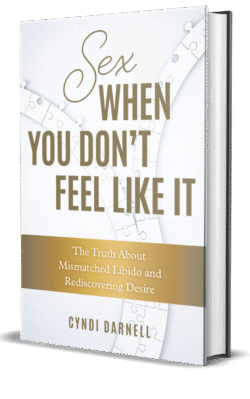
Sex, When You Don't Feel Like It:
The Truth About Mismatched Libido & Rediscovering Desire
From the Vatican to Vegas, From Disney to PornHub, we’ve been tricked into believing love and sex are like a hand in a glove, though few of us experience them that way.
Discover unshakable confidence and the best ways for you to create the most satisfying sex, but more importantly, how to keep it that way.

Sex Therapy, Relationships Counseling & Sex Coaching
Everyone needs support in creating and sustaining meaningful lives, strong relationships , empowered communities and great sex. Join me via video from anywhere in the world.

Online Courses
Programs for individuals and partners who want to experience more pleasure, joy and empowerment. Learn how your body works, how to manage changes in intimacy and differing drives, increase connection, learn massage techniques, overcome performance anxiety, increase communication and so much more.

Advice Blog
Up to date insight, tips and ideas for modern lives and relationships. From vulnerability to climax, pleasure and intimacy. From exploring complex emotions to better, more meaningful communication. From connection, real-world sex and empathy, to online dating and shame resilience, it’s all here.

sign up for your free
PRIORITIZE YOUR PLEASURE
WORKBOOK

"We - without hesitation - recommend Cyndi Darnell to everyone! Couples or singles. Cyndi will teach you and help you find that something inside yourself that you didn’t even know was missing.” – Sam